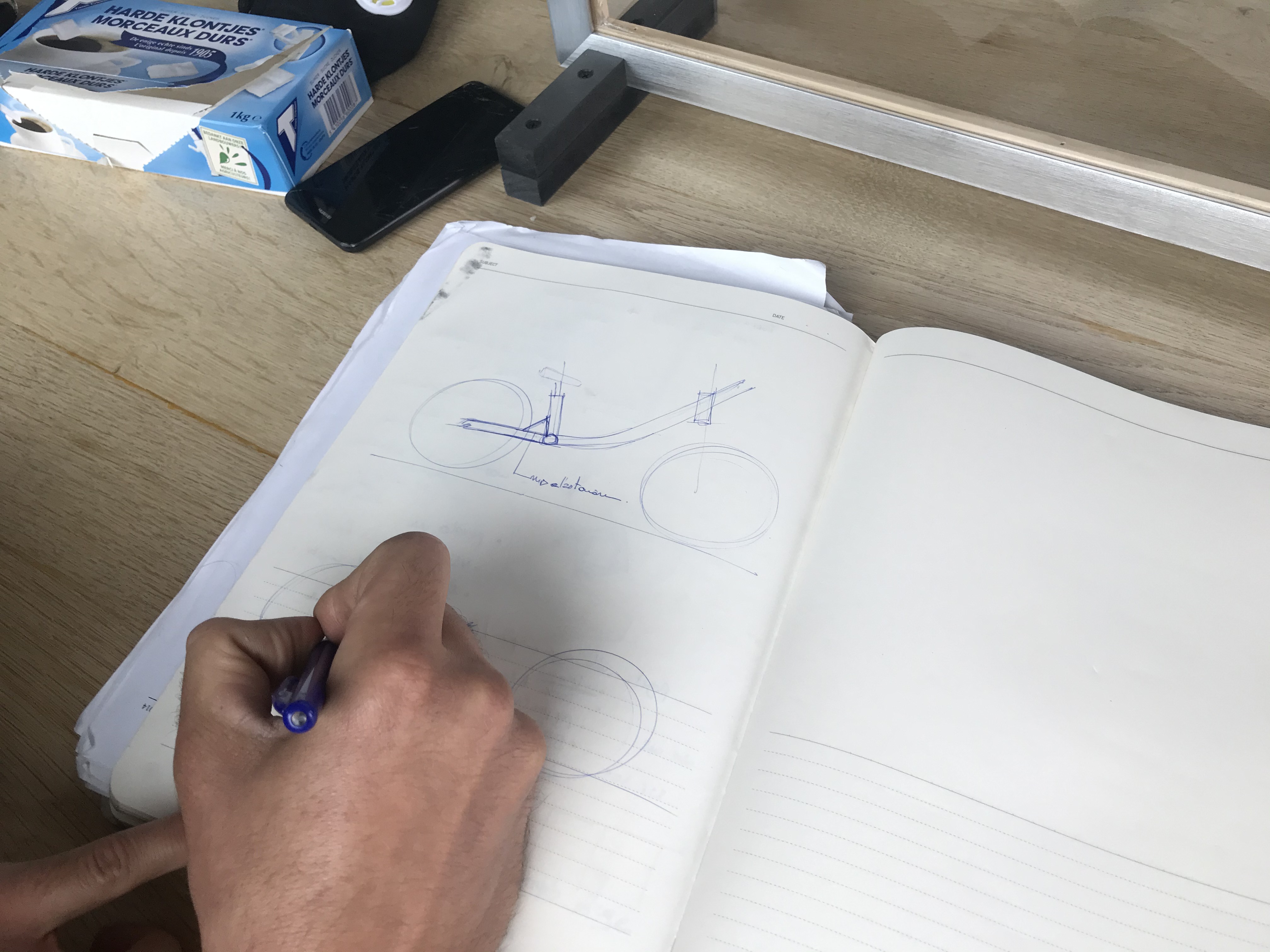
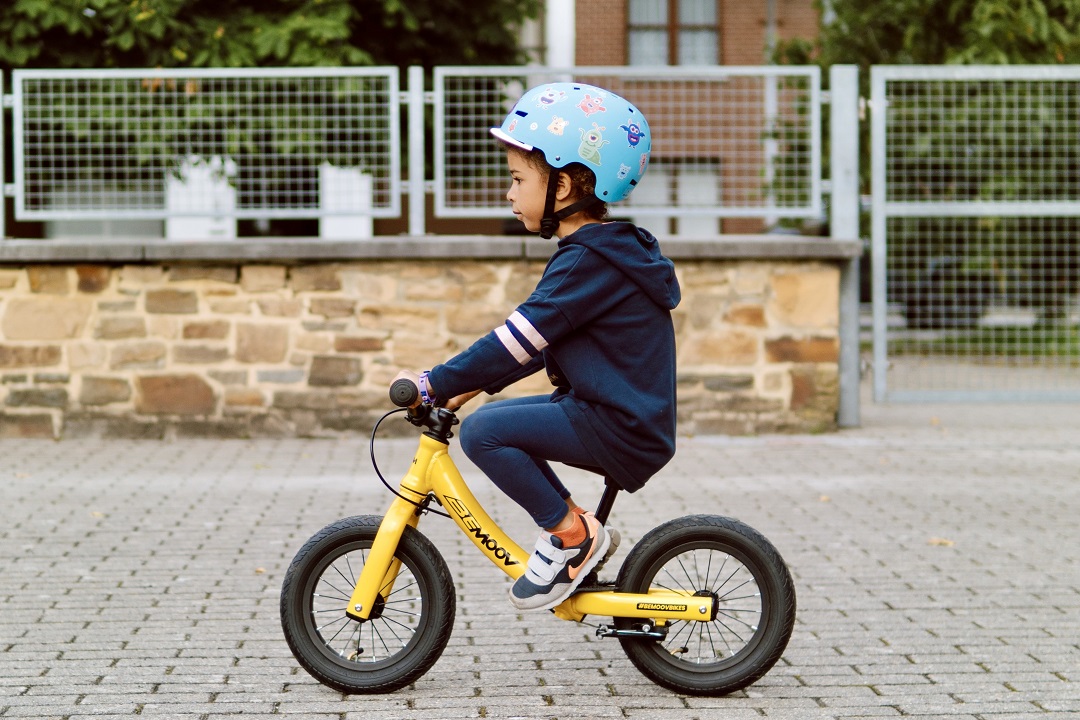
At Bemoov, we design and develop our bikes in Belgium, but we make them in Bangladesh. And it’s a choice that we fully accept.

What many people don’t know is that Bangladesh is now a world leader in the manufacture of high-end children’s bicycles.  It is therefore not a default choice: it is to go and seek genuine know-how where it is.

At Bemoov, we maintain a close relationship with our industrial partner. We visit the site regularly, we know the teams and we place great importance on working conditions and the relationship of trust that we have built with them.

And contrary to some conventional wisdom, we are talking about a modern industry, with technical skills, rigorous quality processes and social and environmental requirements.

There is also an important human dimension. Bangladesh is a country of more than 170 million inhabitants that seeks to diversify its economy, still very dependent on textiles. The World Bank also supports the development of its light industry.

This trend makes it possible to create more skilled jobs, especially for the many young people who are studying. This is essential, because it offers them the opportunity to build their future at home rather than having to look for work abroad, sometimes in difficult conditions.

Industrially, it is also consistent. The majority of components come from Asia. Making them travel all the way to Europe to assemble bicycles is not necessarily more environmentally friendly. Producing close to suppliers avoids intermediate transport and the carbon emissions that come with it.

Manufacturing in Europe would also represent an estimated additional cost of 15 to 20%, which would compromise our competitiveness. It would also be necessary to reconstitute an entire specialized industrial organization and find qualified personnel, while these technical professions are experiencing recruitment difficulties in Europe.

But the main point is that the quality of a bicycle and the conditions under which it is made do not depend on the country listed on its label. They depend above all on the seriousness of the company, its partners and the requirements it imposes on them.

Over the course of our visits, we have also developed a real attachment to Bangladesh and to the people with whom we work. It is a country that has made considerable progress out of deep poverty, but still faces significant economic, social and democratic challenges. We particularly appreciate the energy, skills and determination of the teams we meet on site.

Our choice to manufacture in Bangladesh is therefore not based solely on economic considerations. It is also due to the know-how we have found there, to the good relations we maintain with our industrial partner and, quite simply, to the attachment we have developed for this country during our visits.

Loading...